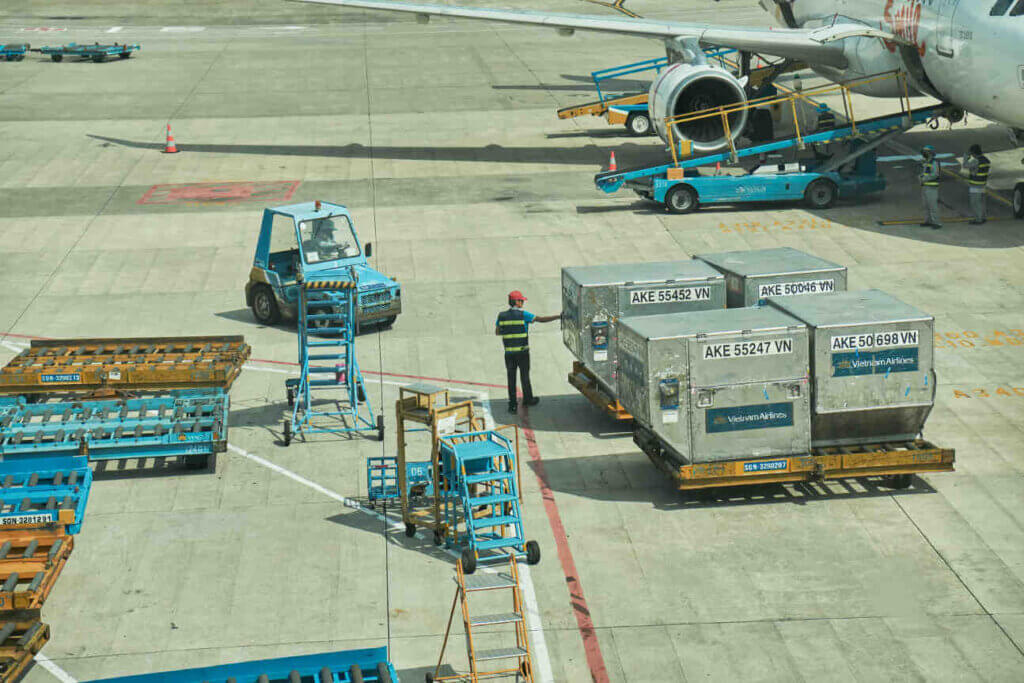
When supply chains tighten and production timelines slip, importers often face a difficult decision: wait for ocean or rail, or move quickly with air freight. Air is often seen as the premium option, but in many real-world scenarios it becomes the most cost-effective and operationally reliable choice. For companies navigating tight deadlines, high-value cargo, or unpredictable manufacturing conditions, choosing air freight can mean the difference between protecting revenue and missing critical market opportunities.
When production delays compress your delivery window
Even the most reliable factories face unexpected setbacks: shortages of raw materials, quality inspection failures, labor issues, or last-minute design changes. These delays often eat directly into the delivery timeline, leaving businesses with limited options for recovery. Air freight becomes the most practical way to regain lost time, especially for brands preparing for seasonal launches, promotional events, or contractual delivery deadlines. In these cases, the real cost isn’t the air shipment itself, it’s the financial impact of being late.
When retailers have non-negotiable receiving windows
Large retailers (Walmart, Target, Costco, Amazon, and department stores) operate with rigid booking windows. Missing these deadlines can trigger:
- Chargebacks
- Loss of vendor scorecard points
- Cancelled POs
- Delayed payment cycles
If ocean transit schedules slip or rail congestion increases, there’s often no grace period on the receiving side. Air freight provides the flexibility to meet those non-negotiable appointments, even when upstream production or outbound sailing schedules become unpredictable.
When goods are high-value, sensitive, or at higher risk
Certain products carry risks that make slower transit methods impractical. Electronics, pharmaceuticals, luxury goods, perishables, and precision components are all vulnerable to theft, temperature fluctuations, handling damage, or long dwell times at terminals. Air freight shortens exposure, minimizes touchpoints, and keeps tighter control over the supply chain. In many cases, the value of the cargo far outweighs the added freight cost.
When inventory needs to be replenished quickly
Fast-growing and e-commerce brands often use air freight to stay ahead of demand. Rather than holding excess safety stock, they can run leaner inventory levels and use air to respond to spikes in sales or unexpected sell-through. This agility helps prevent stockouts, preserve customer satisfaction, and avoid halting downstream operations.
The real calculation: total cost vs. transport cost
Businesses evaluating air freight often focus solely on the rate per kilo, but that narrow view can be misleading. The true cost equation includes chargebacks, lost revenue from missed launches, production stoppages, stalled cash flow, and the operational fallout of stockouts. When all of these factors are considered, air freight frequently emerges as the smarter and more strategic option—especially for time-sensitive, high-visibility, or revenue-critical shipments.
Jade helps importers and exporters evaluate when air freight is the right move and coordinates every step of the process to ensure that cargo moves quickly, safely, and with full visibility. For shipments where standard air service can’t meet the timing or capacity required, our air cargo charter team can arrange a dedicated aircraft.
If you’re facing compressed timelines, unpredictable factory output, or high-value goods that need fast, secure transit, Jade can help you determine the most effective solution.
Contact us to discuss your next urgent shipment and explore whether air freight is the right choice for your supply chain.