
What Is Domestic Freight Shipping and When Do You Need It
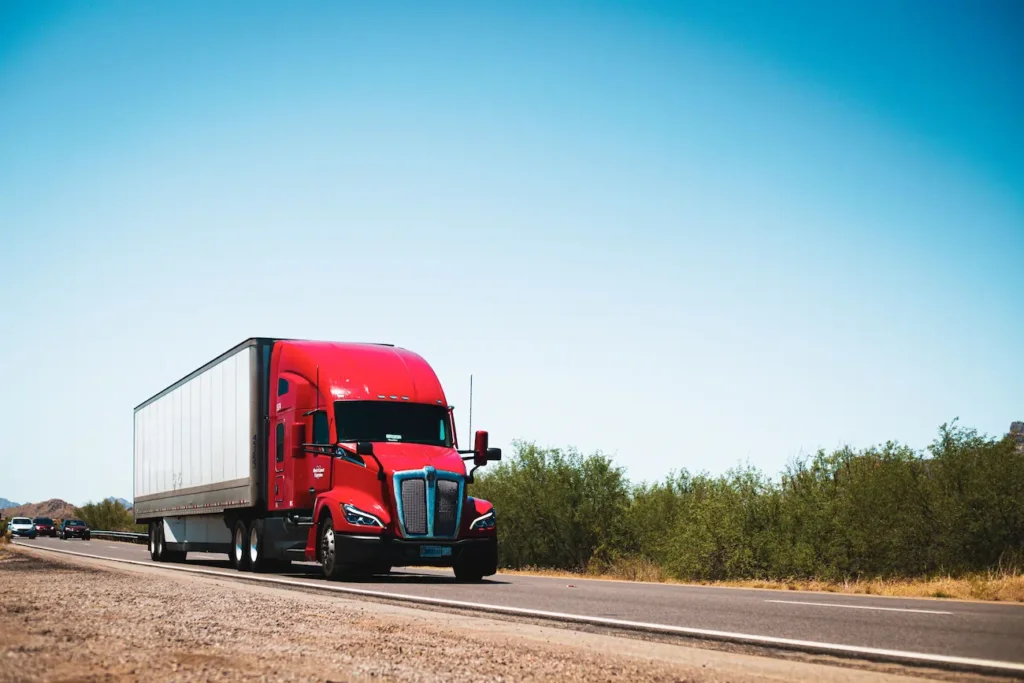
International freight gets most of the attention in global trade, but nearly every shipment depends on a domestic leg to reach its final destination. Cargo that arrives at a U.S. port still has to get to a warehouse, a factory, or a customer. Exports have to reach the port before they can leave. Understanding how […]
USMCA Certificate of Origin: What It Is and How to Complete One

If you import goods from Canada or Mexico, or export to either, the USMCA certificate of origin is what allows qualifying goods to cross duty-free or at a reduced rate. It’s also one of the most misunderstood documents in North American trade, largely because the thing most people go looking for doesn’t exist. There is […]
Carrier Liability vs. Marine Cargo Insurance
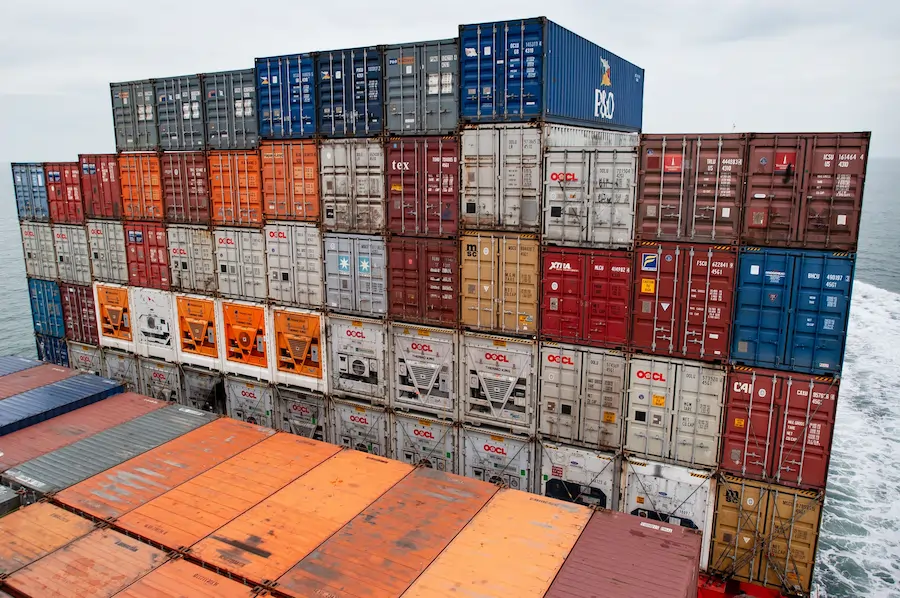
When a shipment is lost or damaged, many shippers expect the carrier to pay for it. The carrier usually does owe something. But that amount is set by law, capped well below the value of most commercial cargo, and can drop to zero under a long list of defenses. Marine cargo insurance works on a […]
What Is a Container Freight Station (CFS)?
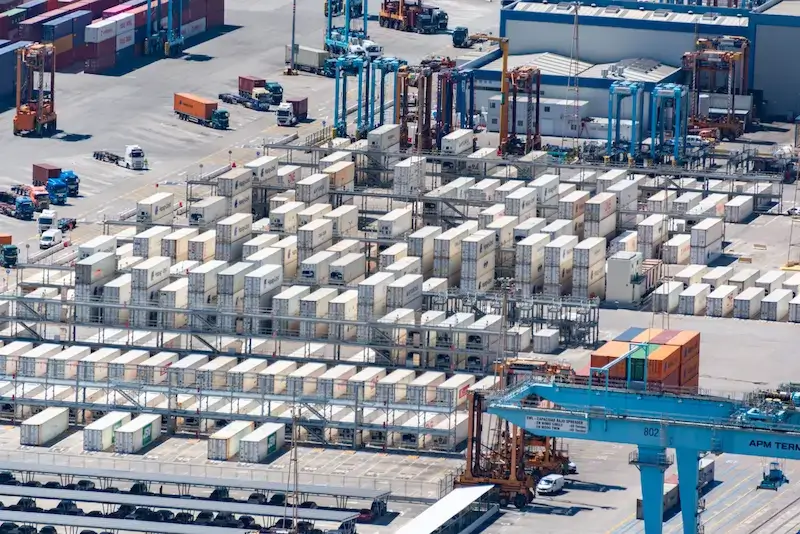
If you ship less-than-container-load freight, your cargo spends part of its journey at a container freight station, even if you never see the building. A container freight station, or CFS, is a warehouse facility where smaller shipments from different companies are combined into full containers before an ocean voyage, and separated back out again after […]
What Is Blind Shipping and How Does It Work
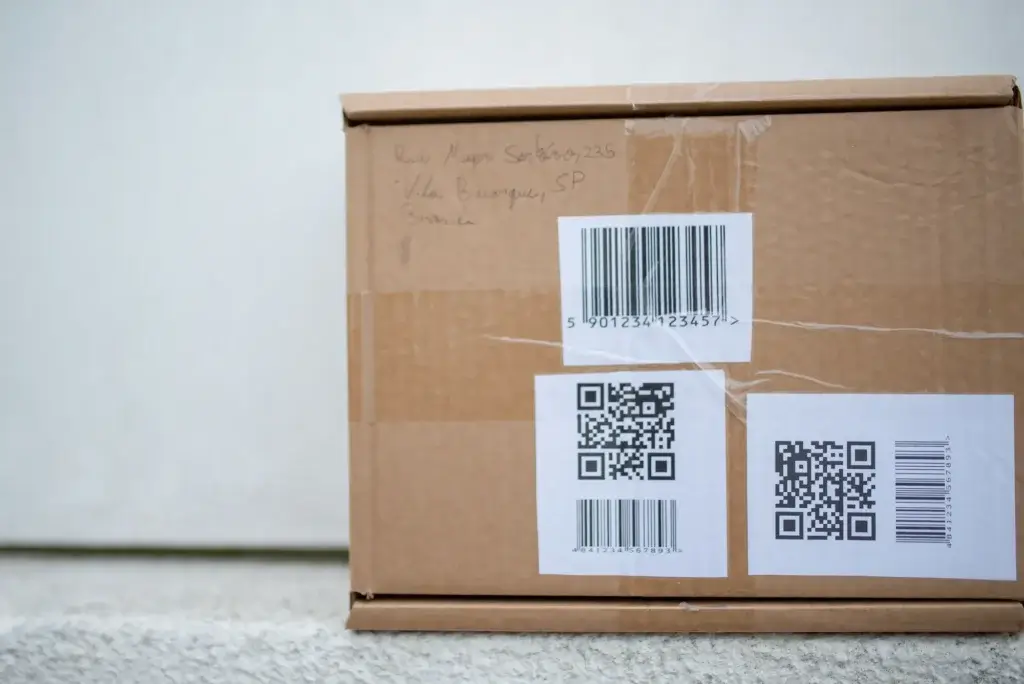
In freight, blind shipping is a delivery arrangement where the identity of the shipper, the receiver, or both is deliberately kept off the shipping documents so that one party cannot see who the other is. It sounds like a technicality, but for distributors and resellers it protects something valuable: the supplier relationships their business depends […]
What Is a Freight Forwarder and What Do They Actually Do
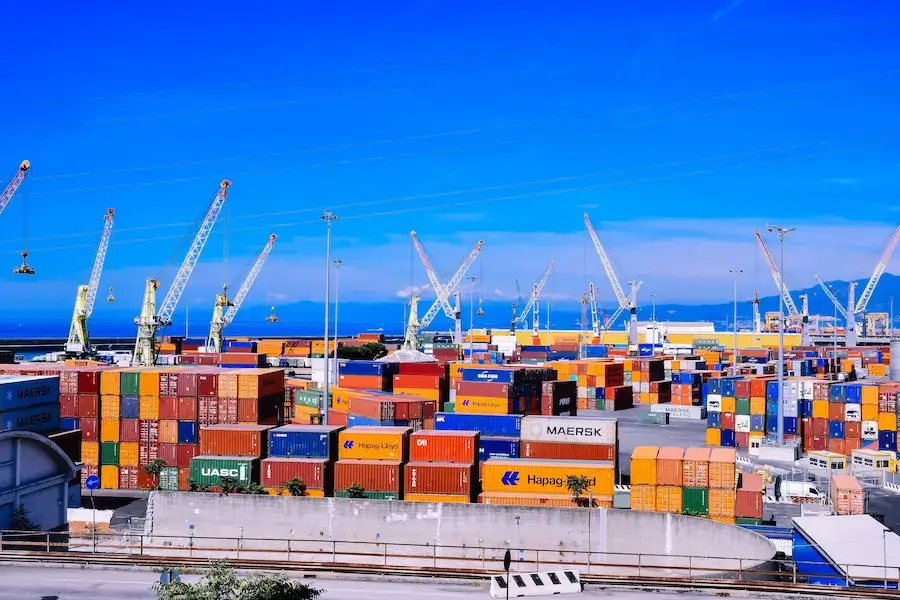
Anyone who ships goods internationally runs into the term freight forwarder quickly, but what a forwarder actually does is often unclear. Are they a carrier? A broker? A shipping company? The short answer is that a freight forwarder is the party that organizes and coordinates the movement of your goods from origin to destination, without […]
What Is Freight Class and How Does It Affect Your LTL Rate
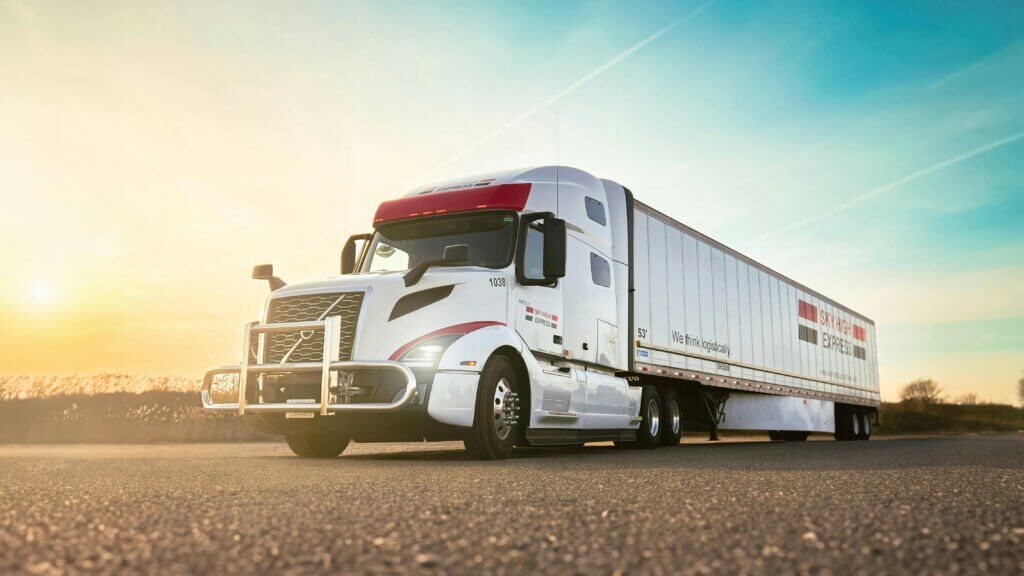
If you ship freight by less than truckload, one number does more to determine your cost than almost anything else: your freight class. It decides whether the same pallet moving between the same two cities costs a little or a lot, and getting it wrong can mean reclassification fees on top of a higher base […]
How Do Freight Forwarders Ensure On-Time Delivery?
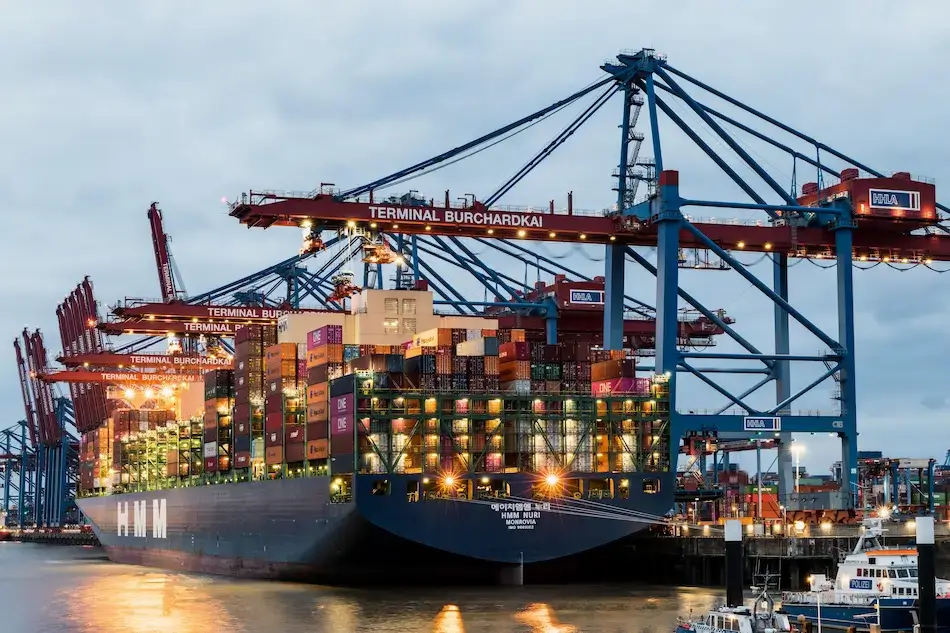
On-time delivery is the single clearest measure of a freight forwarder’s value. A shipment that arrives when it was promised keeps a production line running, a store shelf stocked, and a customer relationship intact. One that arrives late can cascade into missed deadlines, penalty clauses, and lost business. Behind every reliably delivered shipment is a […]
What Documentation Is Needed for International Shipping

Documentation is where international shipments succeed or stall. A shipment can be booked, loaded, and on the water, and still get held at the port because a single document was inconsistent or missing. Understanding the paperwork every international shipment relies on, and the additional documents certain shipments require, is one of the most practical ways […]
What Is LTL Shipping (Less Than Truckload) and How Does It Work
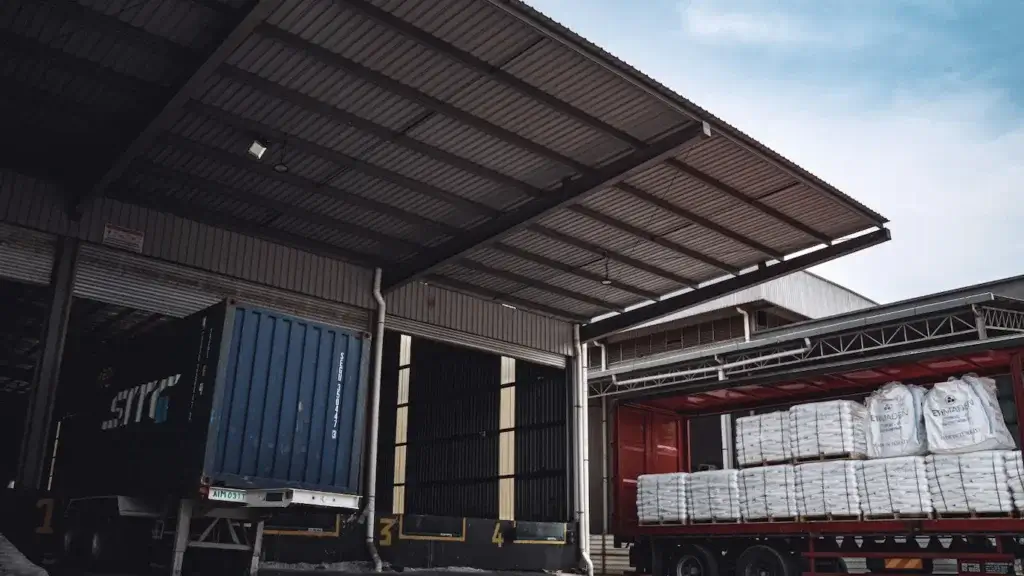
Not every shipment fills a truck. When a business needs to move a few pallets rather than a full trailer’s worth of freight, paying for an entire truck makes little sense. That is the gap less than truckload shipping fills, and for many businesses it is the most cost-effective way to move mid-sized freight. What […]