Not every shipment fills a truck. When a business needs to move a few pallets rather than a full trailer’s worth of freight, paying for an entire truck makes little sense. That is the gap less than truckload shipping fills, and for many businesses it is the most cost-effective way to move mid-sized freight.
What LTL Shipping Is
LTL stands for less than truckload. It is a freight shipping method for cargo that does not require the full capacity of a trailer, generally shipments between 150 and 15,000 pounds, or roughly one to six pallets. Instead of dedicating a whole truck to one shipment, an LTL carrier consolidates freight from multiple shippers into a single trailer, and each shipper pays only for the space their freight occupies.
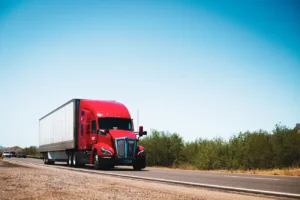
It fills the middle ground between two other options. Parcel carriers handle small packages, and full truckload shipping handles freight that fills an entire trailer. LTL is built for everything in between, which is why it is popular with retail, e-commerce, manufacturing, and construction businesses that move mid-sized freight regularly. It also pairs well with a dry van, the enclosed trailer type most LTL freight travels in.
How LTL Shipping Works
The core of LTL is consolidation. Because your freight shares trailer space with other shipments, the process works a little differently than a direct full truckload move.
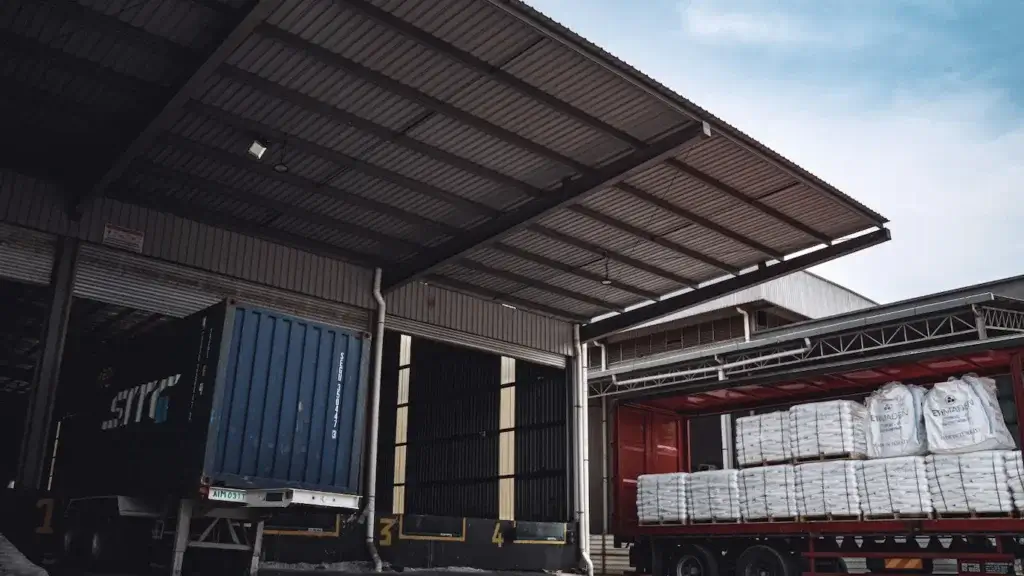
A carrier picks up your palletized freight and brings it to a terminal, where it is combined with other shipments heading in the same direction. From there it typically travels through a hub-and-spoke network, moving between terminals and sometimes being transferred between trucks as it works toward its destination. Each shipment is tracked individually even though it shares the trailer with freight from other companies.
This is also why LTL involves more handling than a direct full truckload shipment. The trade-off for the cost savings is that your freight is loaded, unloaded, and sorted more times along the way, which is why proper palletizing and packaging matter more for LTL than for a dedicated truck. It also means transit times can be a little longer, since the truck makes multiple stops. Standard LTL transit generally runs one to five business days for regional shipments and three to seven days for cross-country routes. When a shipment cannot absorb that variability, expedited freight is often the better fit.
How LTL Pricing Works
LTL pricing is more involved than simply weight times distance. Several factors combine to set the rate, and the most important one changed recently.
The biggest factor is freight class, a standardized rating from 50 to 500 assigned under the National Motor Freight Classification system, which is published by the nonprofit National Motor Freight Traffic Association. As of the NMFC overhaul that began in July 2025, freight class is now driven primarily by density, calculated as pounds per cubic foot. Denser freight generally falls into a lower class and ships at a lower rate. Beyond class, pricing also reflects the weight of the shipment, the distance traveled, and any accessorial charges such as liftgate service, residential delivery, or fuel surcharges.
Because class and density directly affect the rate, measuring your freight accurately and confirming its classification before booking is the single best way to avoid a reclassification fee and a surprise on your invoice.
When LTL Makes Sense
LTL is the right choice in a fairly specific set of circumstances:
- You are shipping between one and six pallets, or up to roughly 10,000 pounds.
- Your freight is durable and properly palletized or crated for handling.
- You do not need a dedicated truck or an exact delivery appointment.
- Cost efficiency matters more than the fastest possible transit.
As your freight volume grows, at a certain point a full truckload becomes more economical and faster, since it travels directly without terminal stops. The general break-even point tends to fall somewhere around 10,000 to 15,000 pounds, though the exact threshold depends on the lane, the freight class, and current rates. For shipments that fall between standard LTL and a full load, some carriers also offer volume LTL as a middle option.
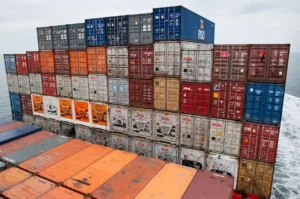
Jade International coordinates LTL freight as part of its domestic shipping services, alongside full truckload, expedited, and specialized equipment when a shipment calls for it. For businesses moving freight internationally, LTL also connects the domestic leg to import and ocean export shipments, so cargo moves from the port to its final destination without unnecessary handoffs.
If you are moving mid-sized freight and want help determining whether LTL is the right mode for your shipment, reach out to our team.