International freight gets most of the attention in global trade, but nearly every shipment depends on a domestic leg to reach its final destination. Cargo that arrives at a U.S. port still has to get to a warehouse, a factory, or a customer. Exports have to reach the port before they can leave. Understanding how domestic freight works, and which option fits your shipment, is one of the simplest ways to control cost and keep your timeline intact.
What Is a Domestic Shipment
A domestic shipment is freight that moves from one point to another within the same country. In the United States, that covers everything from a few pallets traveling across a state to a full trailer crossing the country. For importers and exporters, domestic freight also includes the inland legs of international moves: the pickup from your facility to the port or airport, and the delivery from the port of arrival to its final destination.
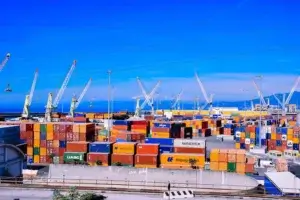
That second role is easy to overlook. A container can clear customs quickly and still sit at the terminal if the domestic move isn’t arranged. When that happens, storage charges such as demurrage and detention start to add up. The domestic leg often decides whether an international shipment finishes on schedule.
The Main Types of Domestic Freight
Domestic freight comes in several forms, and the right one depends on the size of your shipment, its distance, and how quickly it needs to arrive.
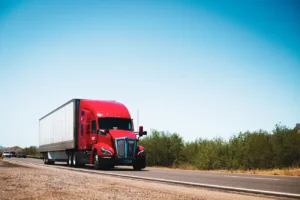
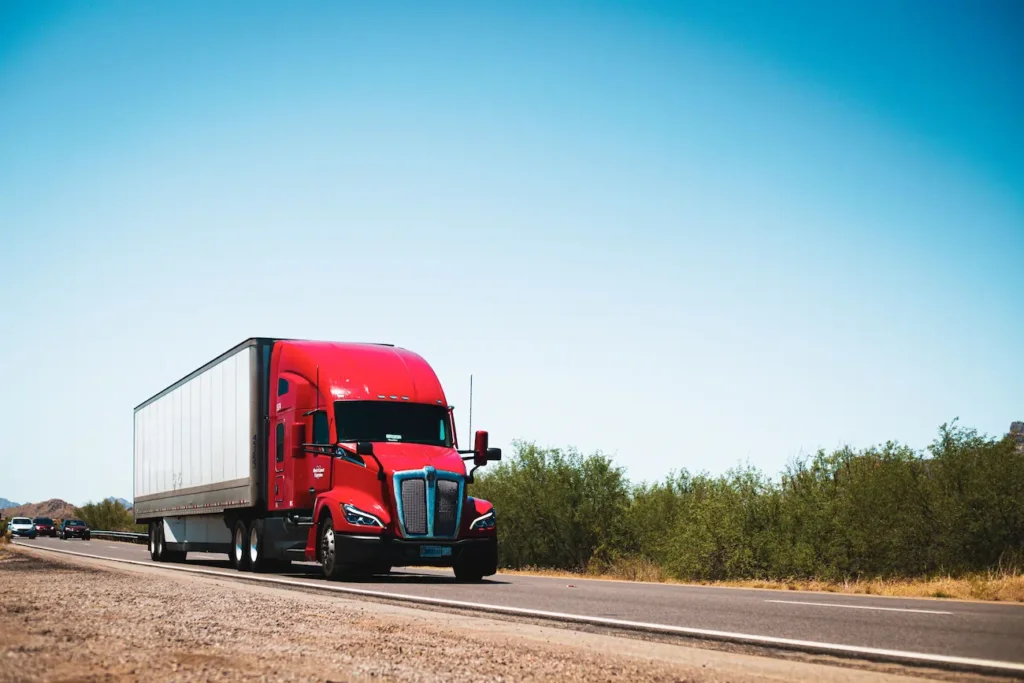
Full truckload (FTL) dedicates an entire trailer to one shipper’s freight. It usually travels directly from pickup to delivery with no stops at terminals along the way, which means faster transit and less handling. FTL generally makes sense for large shipments, often in the range of 10 or more pallets or upward of 15,000 pounds, or for freight that shouldn’t be handled any more than necessary.
Less than truckload (LTL) combines smaller shipments from several shippers in one trailer, so you pay only for the space your freight uses. It’s built for shipments too large for parcel delivery but too small to fill a truck. Because LTL freight moves through carrier terminals, transit can take a bit longer, and pricing depends on factors such as weight, dimensions, and freight class. Our guide to LTL shipping covers how it works in more detail.
Partial truckload sits between the two. It suits freight that’s too large to be economical as LTL but doesn’t fill a trailer, and it typically involves fewer stops and less handling than LTL.
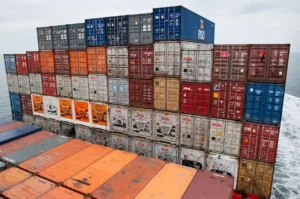
Intermodal moves freight in a container by both rail and truck, with trucks handling the first and last miles and rail covering the long haul in between. Because the container itself is transferred between modes, the freight inside isn’t handled along the way. Intermodal is often most cost-effective on long routes, commonly several hundred miles or more, when the timeline has some flexibility.
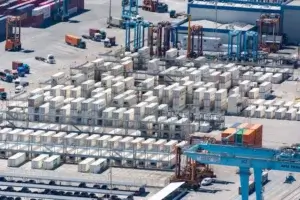
Drayage is the short-haul truck move between a port or rail yard and a nearby location, such as a warehouse or another terminal. For importers, it’s usually the first move a container makes after it’s released at the port.
Choosing the Right Equipment
Beyond the service type, the equipment matters too. Most general freight travels in a dry van, an enclosed trailer that protects cargo from weather. Temperature-sensitive goods such as food and pharmaceuticals need reefer trucking, which keeps cargo within a set temperature range for the whole trip. Oversized or irregular cargo may require open-deck equipment. When a shipment can’t wait, expedited freight prioritizes speed with dedicated capacity and faster routing.
When You Need Domestic Freight Services
Most businesses that move physical goods need domestic freight in some form. The common situations include:
- Moving imported cargo from the port of arrival to a warehouse or final destination.
- Getting export cargo from your facility to the port or airport before its cutoff.
- Distributing inventory between warehouses, plants, and customers.
- Shipping to customers who order by the pallet rather than the parcel.
- Moving temperature-sensitive, oversized, or time-critical freight that needs specific equipment or handling.
Why the Handoffs Matter Most
Most problems in domestic freight happen at the handoffs between modes and providers. A container released at the port needs a truck ready to move it. Freight that needs to be consolidated or split for delivery needs a plan for where and how. Techniques such as cross docking can speed freight through distribution without long storage periods. When each piece is arranged separately, gaps between vendors cause delays, and accountability becomes hard to pin down.
Coordinating the domestic legs alongside the international move closes those gaps. Timing can be planned end to end, the right mode and equipment can be matched to each leg, and one team stays responsible for the shipment from origin to final delivery.
Getting Domestic Freight Right
The right domestic option comes down to a few questions: how much you’re shipping, how far it’s going, how quickly it needs to arrive, and whether it needs special handling. Answering those well can lower your freight spend and protect your delivery dates, especially when the domestic move is one leg of a larger international shipment.
Jade International coordinates domestic freight for importers and exporters as part of the complete move, from the port to the final destination and everywhere in between. If you’d like help finding the right domestic option for your shipments, reach out to our team.