If you ship less-than-container-load freight, your cargo spends part of its journey at a container freight station, even if you never see the building. A container freight station, or CFS, is a warehouse facility where smaller shipments from different companies are combined into full containers before an ocean voyage, and separated back out again after arrival. It is the piece of the supply chain that makes affordable LCL shipping possible, and understanding it helps explain how your freight actually moves and where some of your costs come from.
What a Container Freight Station Is
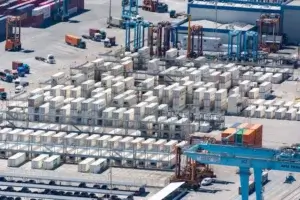
A container freight station is a warehouse, usually located close to an ocean port or terminal, that specializes in two jobs: consolidation and deconsolidation. Consolidation means grouping LCL shipments from multiple shippers into a single full container bound for the same destination. Deconsolidation is the reverse: taking an arriving container apart and separating it back into the individual shipments inside so each one can go to its own consignee.
That is the core of it. A CFS is where many small shipments become one container on the way out, and where one container becomes many small shipments on the way in. Because it sits next to the port rather than inside it, a CFS also helps keep the terminal itself from getting congested by moving cargo handling and related paperwork just off-dock.
What Happens at a CFS
A single LCL shipment typically passes through two container freight stations on its trip. At the origin CFS, cargo is received from each shipper, checked against its documentation for condition, weight, and volume, and then stuffed into a shared container with other shipments headed the same way. Once sealed, that container moves to the container yard to be loaded onto the vessel.
After the ocean crossing, the process runs in reverse at a destination CFS. The container is opened, each shipment is identified and separated, and the consignees are notified so they can arrange customs clearance and final delivery. Along the way, a CFS may also provide short-term storage for cargo awaiting clearance or pickup, handle customs exams, and transfer freight between ocean, truck, and rail. Coordinating those handoffs cleanly is exactly the kind of work Jade manages as part of its warehousing and consolidation services.
CFS and Your Costs
Container freight station charges are separate from the ocean freight itself, which surprises some first-time LCL shippers. CFS fees cover the handling, stuffing, and storage that happen at the facility, and they are usually calculated by the weight or volume of your shipment rather than charged as a flat container rate. Because these costs apply at both the origin and destination CFS, the total door-to-door cost of an LCL move is more than just the price of the ocean leg. Looking at that full picture, rather than the ocean rate alone, is how you judge whether LCL is genuinely the most economical option for a given shipment.
One timing detail matters here too. Every CFS sets a cut-off by which your cargo must arrive in order to make its planned sailing. Miss it, and your shipment waits for the next available container, which can mean a delay of several days. Working with a provider who manages these deadlines keeps your freight on schedule.
When a CFS Matters to You
You will most often deal with a container freight station when you ship less-than-container-load ocean freight, when your cargo is held for a customs exam, or when goods need temporary storage near the port before moving on. In each of those cases, the CFS is where the physical handling and much of the documentation happen, so the experience of whoever runs or coordinates that step has a direct effect on your timeline and your costs.
For companies importing LCL freight, the destination CFS is also where accurate paperwork becomes critical, since customs clearance and documentation drive how quickly your cargo is released. Coordinating the CFS handoff alongside clearance and final delivery is where a single provider managing the whole move saves real time.
Jade International has coordinated ocean freight and consolidation for importers and exporters for nearly four decades, managing the CFS stage as part of a complete door-to-door move rather than a loose handoff between vendors. If you ship LCL and want to understand how your cargo moves through a container freight station, reach out to our team to talk through your specific shipments.