
Lunar New Year is the most predictable disruption in global trade, and it still catches importers off guard every year. In 2027 it arrives early. The holiday falls on Saturday, February 6, 2027, 11 days earlier than in 2026. For businesses that source from China or elsewhere in Asia, that shift moves every planning deadline forward, and many of those deadlines are closer than they look. Here’s what to expect and how to prepare.
Why Lunar New Year Matters for Importers
Lunar New Year, also called Chinese New Year or the Spring Festival, is the most important holiday in China and is widely celebrated across Asia. Hundreds of millions of people travel home to be with family, and factories, warehouses, and trucking operations slow down or stop entirely.
The impact extends far beyond the holiday itself. Production winds down in the weeks before, cargo surges as businesses rush to ship ahead of closures, and the restart afterward is gradual. Some industry estimates put the total disruption at four weeks or more of closed or reduced operations. For importers, that means inventory gaps, higher freight rates, and delays that can stretch well into March if shipments aren’t planned around it.
Key Dates for 2027
The holiday falls on February 6, but the planning calendar starts much earlier. Based on current industry guidance, the 2027 timeline looks roughly like this:
- Early to mid-November 2026: the recommended window to place final orders for goods that need to ship before the holiday, since experienced importers typically order 10 to 12 weeks ahead.
- Mid-January 2027: factories begin winding down as workers leave to travel home. Many manufacturers start slowing production two to four weeks before the holiday.
- Late January through mid-February: the deepest shutdown, when most manufacturing stops entirely.
- Mid-January through late February: the tightest freight capacity and highest risk of cargo being rolled to a later sailing.
- Late February into March: production gradually returns to normal.
China’s official holiday schedule for 2027 had not been finalized by most published sources at the time of writing. The government typically announces it in the fall. For reference, the 2026 official holiday ran nine days, the longest on record. Keep in mind that the official dates and actual factory closures are not the same thing. Many factories close earlier and reopen later than the official window.
Lunar New Year Isn’t One Date Across Asia
The holiday is observed differently across the region. Vietnam celebrates Tết, and in 2027 Korea’s Seollal falls on February 7, one day after China’s holiday, because of differences in how the new moon is calculated. If you source from several countries, confirm the closure schedule for each supplier individually rather than assuming one Asia-wide date.
What Happens to Freight
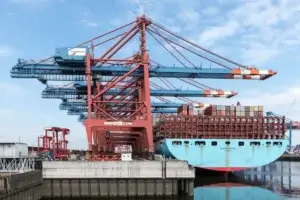
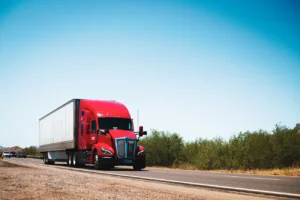
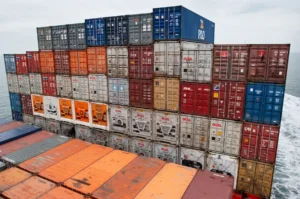
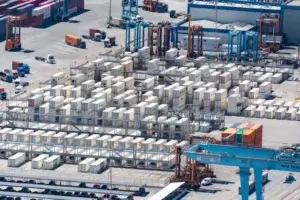
Ocean freight feels the pressure first. In the weeks before the holiday, exporters race to move goods before factories close, which tightens vessel space and pushes rates higher. Ports in China often see congestion both before and after the holiday, and trucking capacity inside China drops as drivers head home.
Air freight faces similar seasonal pressure, since companies that miss ocean cutoffs often turn to air to fill urgent gaps, and capacity tightens accordingly. For time-critical goods, air freight can be a useful backup, but it costs more when demand peaks, so plan for it rather than relying on it as a last resort.
East Coast importers have an extra factor to consider. Cargo moving from Asia to East Coast ports travels longer routes than West Coast shipments, and recent reductions in Panama Canal transit slots have added further uncertainty to all-water routings. In practice, that means East Coast importers’ effective deadlines land even earlier.
How to Prepare
The importers who come through Lunar New Year smoothly tend to follow the same playbook:
- Confirm closure dates with each supplier now. Ask when they’ll stop production, when the last goods will leave the factory, and when they expect to resume full operations. Plan around their dates, not the holiday itself.
- Place orders early. Aim to have production finished and goods shipped three to four weeks before the holiday. For 2027, that means placing orders now.
- Book freight well ahead. Space fills quickly in January, so locking in bookings early helps you avoid rolled cargo and peak pricing.
- Use LCL for smaller shipments. If a full container isn’t practical, less-than-container-load shipping can keep smaller volumes moving when full-container space is tight.
- Build an inventory buffer. Bring in extra stock of critical items before the holiday to cover the slow restart afterward.
- Have your documentation ready. Cargo that arrives during the post-holiday surge can face delays at the port. Having shipping documentation complete before arrival helps your goods clear quickly and avoid demurrage and detention charges.
Planning Pays Off
Lunar New Year disruption is unavoidable, but it is predictable, and that makes it manageable. The businesses that feel it most are usually the ones that start planning in January, after space has already tightened and factories have begun to slow. With the holiday arriving early in 2027, the time to plan is now.
Jade International helps importers plan and manage shipments from Asia, from booking freight ahead of the rush to clearing cargo when it arrives. If you’re sourcing from China or elsewhere in Asia this winter, reach out to our team to map out your shipments before the Lunar New Year crunch.