Every day a product sits in a warehouse is a day it costs money without moving closer to a customer. For businesses trying to compress delivery times and cut storage expenses, cross docking offers a way to keep freight moving instead of sitting on a shelf. It is a logistics strategy built entirely around speed, and understanding how it works helps shippers decide whether it fits their operation.
What Cross Docking Is
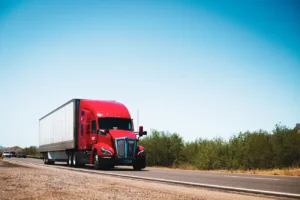
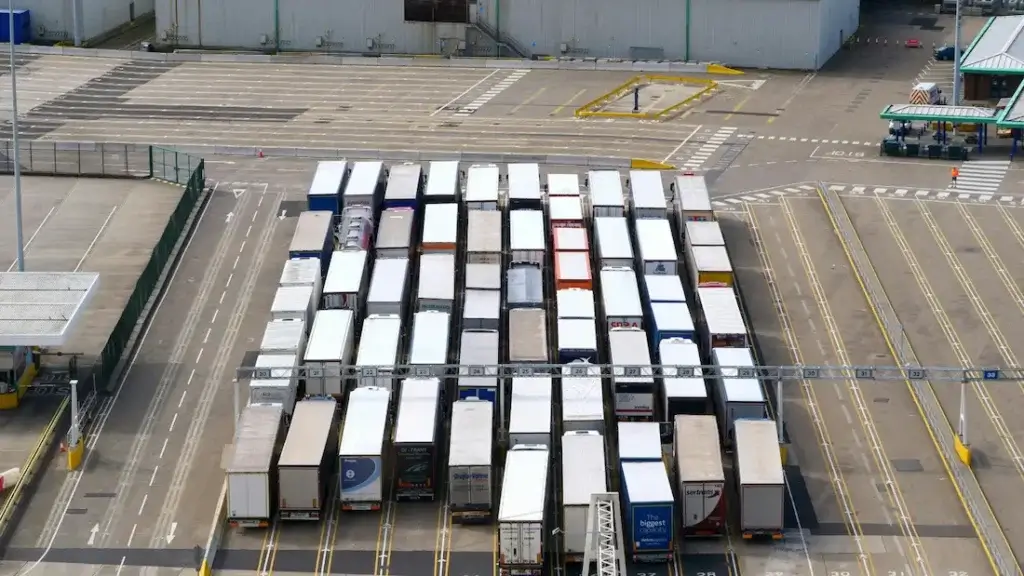
Cross docking is a logistics method where incoming freight moves directly from inbound trucks to outbound trucks with little or no storage in between. Instead of receiving goods and putting them away on a shelf to be picked later, a cross dock facility receives, sorts, and reloads them for their next destination, often within hours.
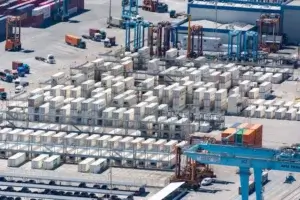
The name comes from the way goods physically move through the building. Freight arrives at a receiving dock on one side of the facility, gets sorted, and moves across to a shipping dock on the other side to be loaded onto an outbound truck. The goods literally cross the docks. Products typically spend less than 24 hours, and often just a few hours, in the facility rather than days or weeks in storage.
Interestingly, the concept is not new. Cross docking was pioneered by the trucking industry decades ago as a way to improve efficiency, and it has since become a core strategy in retail, manufacturing, grocery, and e-commerce supply chains.
How the Process Works
A typical cross docking operation runs in three stages:
- Receiving. Inbound trucks arrive at the facility carrying freight from suppliers or manufacturers. Each shipment is usually already assigned to a specific outbound route or customer.
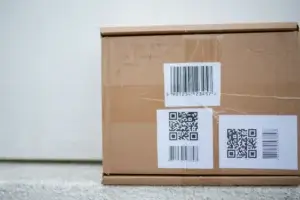
- Sorting and handling. Goods are unloaded, scanned, and sorted by destination. This is the critical stage, since freight is organized and often consolidated with other shipments heading the same direction rather than being put into storage.
- Dispatch. The sorted freight is loaded onto outbound trucks and sent on to its destination, whether that is a retail store, distribution center, or final customer.
The whole model depends on tight coordination and timing. Inbound and outbound shipments have to be aligned so that goods can move through quickly, which is why cross docking works best for high-volume freight headed to known destinations.
The Benefits
The advantages of cross docking all trace back to eliminating the storage step:
- Faster delivery. Removing storage time gets products to their destination sooner, which matters for time-sensitive freight and rising customer delivery expectations.
- Lower storage costs. Less time in a warehouse means lower holding costs and less warehouse space required.
- Reduced handling. Fewer touches means lower labor costs and less risk of damage from repeated handling.
- Leaner inventory. Goods spend minimal time as sitting inventory, freeing up working capital.
For temperature-sensitive freight in particular, less time in the facility also means less exposure to conditions that could compromise the product, which is one reason cross docking is common in grocery and perishable supply chains. Jade International coordinates cross docking as part of its warehousing and storage services, which integrate directly with its freight and customs operations so cargo keeps moving from arrival through to final delivery.
When Cross Docking Makes Sense, and When It Does Not
Cross docking is powerful but it is not right for every shipment. It works best when freight moves in high volumes, is headed to known destinations, and is pre-sorted or easy to sort on arrival. Retail replenishment, grocery distribution, and consolidating less-than-truckload shipments into fuller loads are all strong fits.
It is less suited to goods with unpredictable demand, products that need inspection or quality checks on arrival, or freight that requires value-added services like kitting or assembly. It also depends on accurate demand forecasting, since there is little or no buffer inventory to fall back on if something goes wrong upstream.
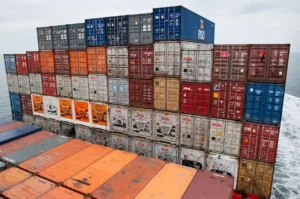
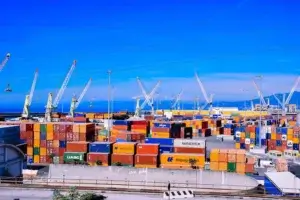
For international shipments, cross docking pairs naturally with the flow of goods coming off the water or out of the air. A container arriving at port can be deconsolidated and its contents cross docked onto outbound domestic trucks, connecting the import leg to final delivery without the goods ever entering long-term storage. Coordinating that handoff through a single provider is what keeps the speed advantage intact rather than losing it at the transition between the international and domestic legs.
Jade International combines cross docking with domestic freight, warehousing, and customs clearance under one roof. If you want to move freight faster and cut unnecessary storage out of your supply chain, reach out to our team to discuss whether cross docking fits your operation.