Anyone who ships goods internationally runs into the term freight forwarder quickly, but what a forwarder actually does is often unclear. Are they a carrier? A broker? A shipping company? The short answer is that a freight forwarder is the party that organizes and coordinates the movement of your goods from origin to destination, without necessarily owning the trucks, ships, or planes that carry them. Understanding the role makes it far easier to know whether you need one and what to expect.
What a Freight Forwarder Is
A freight forwarder is an intermediary that arranges the transport of goods on behalf of a shipper. Rather than owning fleets of vessels or aircraft, a forwarder works through a network of carriers, airlines, shipping lines, and trucking companies to move cargo efficiently and safely. The forwarder acts as your agent, coordinating every piece of the journey so you deal with one knowledgeable partner instead of a dozen separate providers.
That distinction, coordinating transport rather than physically owning it, is what defines the role. A forwarder’s value is expertise and coordination: knowing the routes, the carriers, the documentation, and the regulations well enough to keep a shipment moving from pickup to final delivery.
What a Freight Forwarder Actually Does
The role covers far more than booking space on a ship. A forwarder’s responsibilities typically span the entire lifecycle of a shipment.
Planning and routing. The forwarder evaluates the options and selects the right mode, whether ocean, air, or domestic freight, along with the routing that best fits the cargo, the timeline, and the budget. For shipments that use more than one mode, the forwarder sequences the connections.
Booking and carrier management. Forwarders secure space with carriers, often at better rates than an individual shipper could negotiate alone, thanks to established relationships and volume.
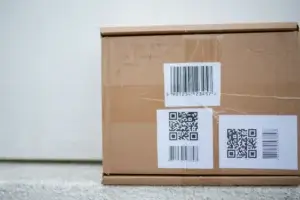
Documentation. This is at the heart of the job. A forwarder prepares and manages the paperwork international shipping depends on, including the bill of lading, commercial invoice, packing list, and certificates of origin. Accuracy matters enormously here, since errors in documentation are a leading cause of customs holds and penalties.
Customs coordination. Forwarders ensure shipments comply with import and export regulations. Many, including Jade, are also licensed customs brokers, which means they can handle customs clearance directly rather than passing it to a third party.
Tracking and problem solving. A forwarder monitors the shipment in transit and steps in when something goes wrong, whether that is a delayed vessel, a container flagged for examination, or a documentation question at the border.
What a Freight Forwarder Is Not
Because the terms get used interchangeably, it helps to draw a few distinctions.
A freight forwarder is not a carrier. A carrier owns and operates the actual transport equipment. A forwarder arranges space on those carriers.
A freight forwarder is not the same as a freight broker. A broker connects shippers with carriers and negotiates rates but generally does not take on the documentation, consolidation, or customs coordination a forwarder handles, and does not take possession of the goods.
Some forwarders also operate as an NVOCC, or Non-Vessel Operating Common Carrier, which means they act as a carrier on paper by issuing their own bill of lading while still not owning the vessels. A provider that is licensed as both a forwarder and an NVOCC offers more flexibility and accountability.
Do You Need a Freight Forwarder?
For a simple domestic shipment, you may not. But for international freight, where a single shipment can involve multiple carriers, customs authorities on both ends, and a stack of documents that all have to reconcile, a forwarder saves significant time and reduces risk. Businesses without dedicated logistics staff benefit the most, since the forwarder becomes the expertise they do not have in house.
The greatest value comes from working with a forwarder who handles the entire journey under one roof. When freight forwarding, customs brokerage, and inland delivery all run through one provider, there is one point of contact and one party accountable from origin to destination, rather than a chain of handoffs where things can slip.
Jade International has served as that partner for importers and exporters for over 38 years, as a licensed customs broker, IATA agent, and FMC-licensed forwarder managing air, ocean, and domestic freight across every major trade lane. If you want to understand how a freight forwarder could simplify your shipping, reach out to our team.