If you have shipped freight by truck, there is a good chance it traveled in a dry van. It is the most common trailer type on U.S. highways and the default choice for the majority of domestic freight. Understanding what a dry van is, what it can carry, and when it is the right choice helps shippers make smarter decisions about how their goods move.
What a Dry Van Is
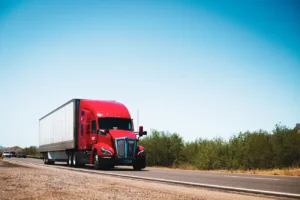
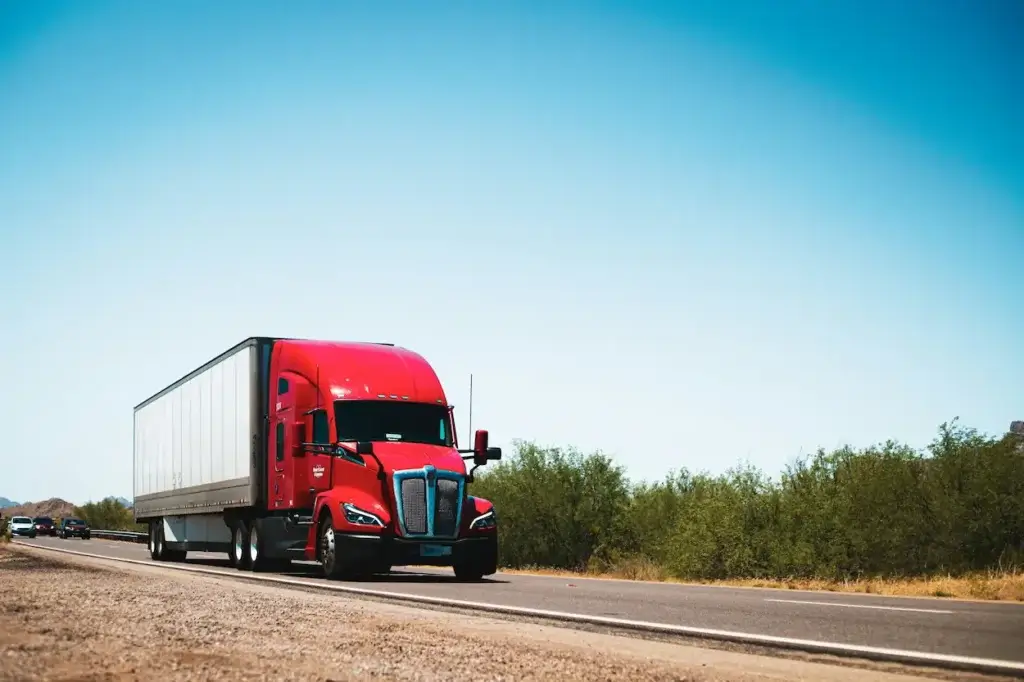
A dry van is a fully enclosed trailer, essentially a rectangular box on wheels with doors at the rear. It protects cargo on all four sides from weather, road debris, and theft. Unlike a refrigerated trailer, a dry van has no temperature control, and unlike a flatbed, it is fully enclosed rather than open. This makes it suited to any freight that does not require temperature regulation and fits within standard dimensions.
Dry vans are the workhorse of Jade’s domestic shipping services and are used to transport a wide range of goods including packaged foods and other non-perishable consumer products, electronics, furniture, clothing, building materials, and palletized freight of nearly any kind. If cargo does not need refrigeration and is not oversized, it most likely ships in a dry van.
Dry Van Dimensions and Capacity
The most common dry van is the 53-foot trailer, which is the current industry standard for full truckload shipping. It is the longest and widest trailer allowed on interstate highways without special permits. A 53-foot dry van typically measures 53 feet long, 8.5 feet wide, and 13.5 feet in overall height, and can hold between 26 and 30 standard pallets.
Other sizes are used for specific needs. The 48-foot dry van was the standard before 53-footers became common in the 1990s and is still used today, particularly on regional routes or where maneuverability matters. The 28-foot trailer is frequently used for less-than-truckload shipments due to its smaller, more cost-efficient size.
On weight, the federal legal limit for a truck on interstate highways is 80,000 pounds gross vehicle weight, which includes the tractor, trailer, and cargo. Since a typical tractor and empty dry van weigh around 36,000 pounds, that leaves roughly 44,000 pounds of capacity for freight. For lightweight but bulky cargo, a shipper will often run out of space before reaching the weight limit, since a 53-foot dry van offers approximately 3,800 to 4,000 cubic feet of space.
When a Dry Van Is the Right Choice
A dry van makes sense for most general freight. It is the right choice when your cargo does not require temperature control, fits within standard trailer dimensions, and can be loaded onto pallets or stacked inside an enclosed space. It is also the most cost-effective option for standard freight, since dry vans are widely available and do not carry the added operating costs of refrigerated or specialized equipment.
A dry van is not the right choice in a few specific situations. Temperature-sensitive cargo like fresh produce, frozen goods, or pharmaceuticals needs the refrigerated trucking that Jade also coordinates through its domestic network. Oversized or out-of-gauge cargo that exceeds standard trailer dimensions needs a flatbed or specialized equipment. And cargo that requires loading from the side or top rather than the rear may need an open trailer type.
Dry Van and Full Truckload vs Less-Than-Truckload
Dry vans are used for both full truckload and less-than-truckload shipments. With full truckload, the shipper has exclusive use of the entire trailer and the freight typically travels directly from origin to destination with no transloading along the way. This reduces handling and the risk of damage. With less-than-truckload, the dry van is shared among multiple shippers, which lowers cost for smaller shipments but adds handling and time as the trailer makes multiple stops.
Choosing between the two comes down to how much freight you are moving, how time-sensitive it is, and how much handling your cargo can tolerate. For shipments that connect to international moves, dry van transport integrates directly with Jade’s import and ocean export services so cargo moves from port to final destination without unnecessary handoffs.
If you need to move freight domestically and want help determining the right equipment for your shipment, reach out to our team.