Fresh produce from California reaching grocery shelves in New York, frozen seafood crossing the country, and temperature-sensitive medications arriving at hospitals all depend on the same thing: refrigerated trucking. Known throughout the industry as reefer, it is the backbone of the cold chain, and understanding how it works helps shippers protect temperature-sensitive cargo from origin to destination.
What a Reefer Is
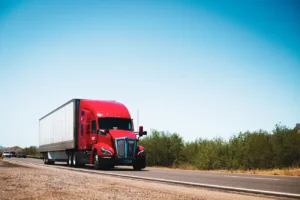
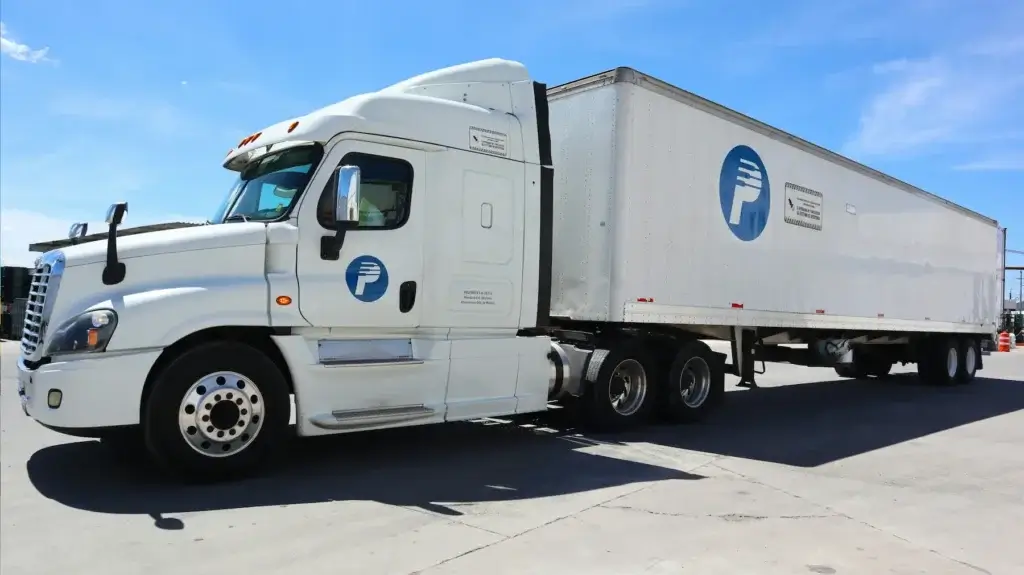
A reefer, short for refrigerated trailer, is a temperature-controlled trailer pulled by a standard semi-truck. Unlike a dry van, which is simply an insulated enclosed box, a reefer has an active refrigeration system that both cools and heats to hold cargo at a set temperature. That distinction matters. A reefer does not just insulate against outside conditions, it actively maintains whatever temperature the cargo requires.
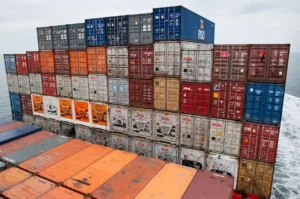
The name comes from “refrigerator,” and reefer trailers are typically 48 or 53 feet long, matching the dimensions of a standard dry van but built very differently inside. For ocean freight, a reefer container is 20’ and 40’. The 20’ containers are very scarce and it’s recommended to always expect to ship in a 40’ reefer container. They feature insulated walls, floor, and ceiling, and often a grooved or channeled floor that lets cold air circulate beneath the cargo rather than getting trapped.
How the Refrigeration System Works
The refrigeration unit sits at the front of the trailer and runs on its own small diesel engine, completely independent of the truck’s engine. This means the unit keeps the cargo at temperature whether the truck is driving down the highway, parked at a dock, or sitting overnight.
The cooling itself follows a continuous refrigeration cycle:
- Compression. A compressor pressurizes refrigerant gas, raising its temperature.
- Condensation. The hot gas moves through condenser coils, releases its heat to the outside air, and becomes a liquid.
- Expansion. The liquid refrigerant passes through an expansion valve, cooling rapidly as the pressure drops.
- Evaporation. The cold refrigerant absorbs heat from inside the trailer through the evaporator, then returns to the compressor to repeat the cycle.
This is the same basic principle as any air conditioning system, running continuously to hold the target temperature. Jade International’s refrigerated trucking uses this equipment to move perishable and temperature-sensitive freight while maintaining the conditions each load requires.
Temperature Ranges and What Reefers Carry
Reefer trailers generally maintain temperatures across a broad range, roughly -20°F to 70°F depending on the unit and the cargo. Different commodities require very different settings. Frozen goods typically run below 0°F, fresh meat and dairy in the mid-30s, fresh produce varies widely by type, and refrigerated pharmaceuticals commonly ship in the 36°F to 46°F range, which corresponds to the 2°C to 8°C standard for many vaccines and biologics.
Because temperature requirements are so specific, confirming the correct setting for your product and documenting it on the bill of lading is essential. Even a few degrees off can spoil a load or, for pharmaceuticals and regulated foods, create a compliance problem.
The Most Common Reefer Mistake
The single most important thing shippers get wrong is assuming a reefer will cool warm cargo down. It will not. A reefer is designed to hold a temperature, not to bring hot product down to the target. Loading cargo that is above the set point can overwork the system and put the entire load at risk.
That is why pre-cooling matters. Cargo should be brought to the correct temperature before loading, and the trailer itself should be pre-cooled and verified as running properly before anything goes inside. This is a point we covered in our guidance on shipping perishables, and it holds true for every reefer load regardless of commodity.
Why the Inland Legs Still Matter
For international shipments, temperature control cannot stop at the ocean or air leg. Cargo that is handled perfectly at sea can still be compromised if it sits on a warm dock during pickup or delivery, or moves inland in an unrefrigerated truck. Coordinating refrigerated trucking on both ends is what keeps the cold chain intact from origin to final destination. This is where connecting reefer trucking to import and ocean export freight under one provider removes the gaps where the cold chain most often breaks.
Jade International provides refrigerated trucking for perishable foods, pharmaceuticals, and other temperature-sensitive products, with the equipment and monitoring to maintain product integrity throughout the move. If you need to move temperature-sensitive freight, reach out to our team to discuss your cold chain requirements.