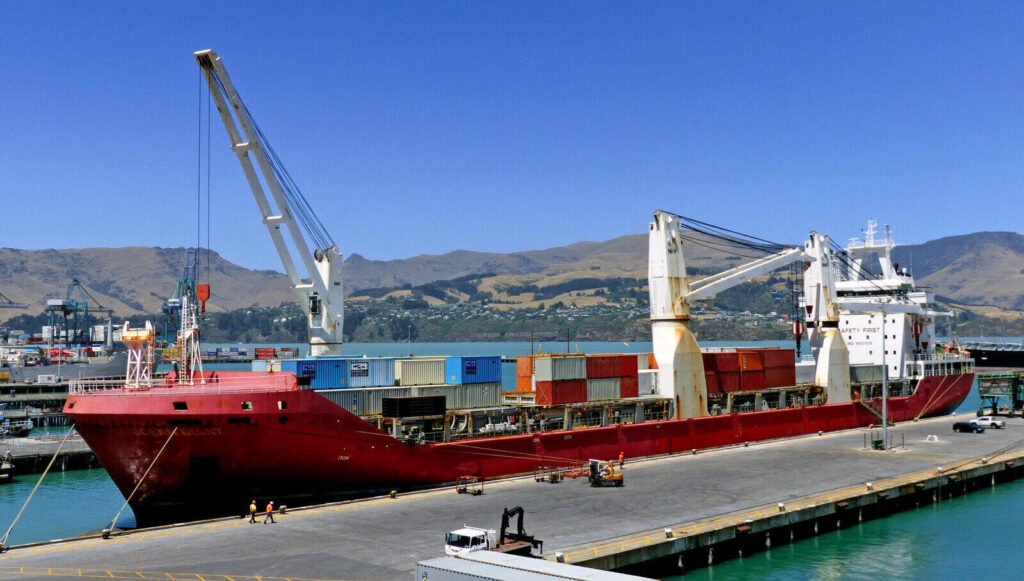
The Busiest U.S. Ports by Container Volume
Based on 2024 data, the top five U.S. container ports by volume are:
Port of Houston
Port of Los Angeles
Port of Long Beach
Port of New York and New Jersey
Port of Savannah
Los Angeles and Long Beach together handled more than 10 million TEUs in 2024, making them by far the dominant gateways for transpacific trade, particularly cargo moving to and from Asia. Savannah has grown considerably in recent years and is now a major hub for East Coast and inland distribution, with direct vessel services connecting to India and other key trade lanes. Houston has established itself as the leading Gulf Coast container port, driven largely by energy exports and supply chain diversification.
It is worth noting that these rankings shift. Port of Seattle-Tacoma, which held a top five position in earlier years, has since been displaced. The Port of Baltimore, a major hub for automobiles and roll-on/roll-off cargo, dropped significantly in 2024 following the Francis Scott Key Bridge collapse in March of that year, which closed the main shipping channel for eleven weeks.
Bigger Is Not Always Better
The largest ports offer more carrier options, more frequent sailing schedules, and broader access to global trade lanes. For many shippers, that flexibility is essential. But high volume comes with tradeoffs. Congestion, equipment shortages, and labor disruptions are more common at the largest gateways. The 2024 International Longshoremen’s Association strike, which affected 36 East and Gulf Coast ports for three days in October, is a recent example of how quickly conditions at major ports can change
The Case for Smaller Regional Ports
For shippers located in the mid-Atlantic or Southeast, regional ports like Philadelphia, PA, Wilmington, DE, and Mobile, AL are worth serious consideration. Fewer carriers service these ports, but that can actually work in a shipper’s favor. Container equipment and vessel space tend to be more available, service tends to be more consistent, and communication with carriers is often more direct.
Mobile is also worth highlighting specifically — the port completed a major container terminal expansion in late 2024, doubling its annual capacity to 1 million TEUs. It is actively positioning itself as a competitive alternative to larger Gulf Coast and East Coast gateways
The right port for your shipment depends on where your cargo is coming from or going to, where your facility is located, how time-sensitive the move is, and what carriers service your trade lane. A port that works well for one shipper may not be the best fit for another with different lanes or cargo types.
If you are working against a deadline or evaluating options for a new trade lane, reaching out as early as possible makes a meaningful difference. Jade’s team handles ocean export, import, and domestic freight and can help evaluate which port and routing makes the most sense for your specific shipment. Get in touch to start the conversation.