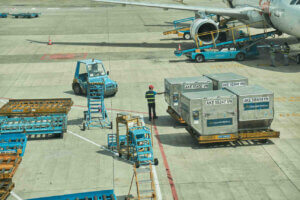

Electronics move by air for three key reasons: speed, security, and supply chain stability.
Component shortages can halt manufacturing for days. Air freight provides rapid replenishment when suppliers fall behind, demand spikes, or delays threaten production timelines. For consumer electronics makers facing product launches, missed deadlines can mean lost retail space and missed revenue.
Electronics are frequent targets for theft and require tight control during transport. Air freight reduces touchpoints, shortens transit time, and adds layers of security throughout handling and storage. This helps protect sensitive shipments such as microchips, medical electronics, and proprietary components.
Electronics demand is seasonal, and factory backlogs often collide with ocean congestion. When ocean schedules slip, air export provides a more reliable alternative that keeps goods moving despite global disruptions.
Special Handling Needs for Electronics Cargo
Unlike general freight, electronics require specific handling and documentation to ensure safety and compliance.
Electronics must be protected against vibration, impact, and stacking pressure. Manufacturers often use anti-static wrapping, double-walled cartons, and foam cushioning to prevent internal component damage. Sensitive circuit boards and lithium battery–powered products may require climate-controlled storage or protection from moisture. Jade coordinates with carriers offering appropriate storage environments to maintain product integrity.
Many electronics contain lithium batteries, which are considered dangerous goods. Jade ensures proper classification, labeling, and documentation (including UN numbers and required declarations) so shipments move without interruption.
Errors in commercial invoices, packing lists, or DG documentation can cause costly holds. Jade reviews documentation before cargo reaches the terminal, helping exporters avoid delays.
Air Export Strategies That Strengthen Electronics Supply Chains
The most successful electronics manufacturers use air freight strategically, not just reactively.
Split Shipments to Protect Production: Shipping partial quantities by air while sending the balance by ocean helps keep production on track without relying entirely on air freight.
Scheduled Weekly Lifts: High-volume shippers benefit from recurring weekly or biweekly air departures. Jade helps forecast cargo flow and secure space in advance, especially during peak electronics seasons.
Multi-Country Coordination: Many electronics supply chains span multiple production hub. China, Vietnam, Malaysia, Mexico, and beyond. Jade manages complex routing, consolidations, and regulatory requirements across regions.
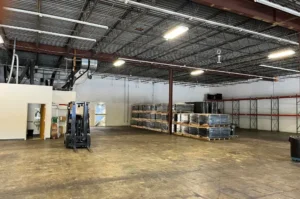
Secure Airport Warehousing: Short-term storage near major airports adds a buffer against factory delays and ensures cargo is ready for uplift as soon as space becomes available.
How Jade Supports Air Export for Electronics Manufacturers
Electronics supply chains demand precision, and Jade International provides the specialized expertise required to deliver it:
- Complete DG compliance for lithium battery shipments
- Pre-departure document review to prevent customs holds and airline delays
- Space allocation during peak season through global partner carriers
- Real-time tracking and proactive communication throughout transit
- Multi-origin coordination for complex Asian and North American supply chains
- Secure handling and storage at major U.S. airports
Conclusion
For electronics manufacturers, delays interrupt production, strain customer relationships, and impact revenue. Air export provides the speed, control, and reliability needed to keep modern electronics supply chains moving. With Jade International as a partner, manufacturers gain tailored air freight solutions that protect cargo, reduce risk, and maintain the agility the industry demands.