Hazardous materials move through international supply chains every day. Industrial chemicals, pharmaceutical ingredients, flammable liquids, lithium batteries, compressed gases, and corrosives are all classified as dangerous goods, and the list of products that fall under hazmat regulations is considerably broader than many shippers expect. Understanding how these shipments need to be handled, and what the consequences are when they are not handled correctly, is essential for any business moving regulated materials across borders.
What Qualifies as a Dangerous Good
Dangerous goods are any substances or materials capable of posing a risk to health, safety, property, or the environment during transport. They are organized into nine hazard classes based on the nature of the risk they present:
Class 1 covers explosives, including ammunition and fireworks. Class 2 covers gases, both flammable and non-flammable, including propane, oxygen tanks, and aerosols. Class 3 is flammable liquids, which includes paints, solvents, and adhesives. Class 4 covers flammable solids and materials prone to spontaneous combustion or dangerous reactions with water. Class 5 includes oxidizing substances and organic peroxides. Class 6 is toxic and infectious substances, including pesticides, certain pharmaceutical materials, and biological samples. Class 7 is radioactive materials. Class 8 covers corrosives such as acids, battery fluids, and certain cleaning compounds. Class 9 is a broad miscellaneous category that includes lithium batteries, dry ice, and environmentally hazardous substances.
Many shippers are surprised to discover that products they handle routinely fall into one of these categories. Lithium batteries, which power everything from consumer electronics to industrial equipment, are among the most commonly shipped Class 9 materials and one of the leading sources of compliance violations globally.
Two Regulatory Frameworks, Two Sets of Rules
Air and ocean transport operate under entirely separate regulatory systems. Compliance with one does not satisfy the other, and the documentation, packaging standards, and restrictions differ significantly between the two modes.
For air freight, dangerous goods are governed by the IATA Dangerous Goods Regulations, which are based on the ICAO Technical Instructions. Every hazmat shipment moving by air must be classified, packaged, marked, labeled, and documented in accordance with IATA standards. The required document is the Shipper’s Declaration for Dangerous Goods, which must be completed in a specific format. Airlines will not accept a hazmat shipment that does not meet these requirements, and errors cannot be corrected after cargo has been tendered to the airline.
It is also worth noting that certain materials permitted on cargo aircraft are prohibited on passenger aircraft entirely. Restrictions on lithium batteries are a well-known example where air regulations are considerably tighter than those governing ocean transport, and these requirements are updated regularly.
For ocean freight, the governing standard is the International Maritime Dangerous Goods Code, known as the IMDG Code. It is mandatory under the SOLAS Convention and covers classification, packaging, stowage, segregation, and documentation for dangerous goods carried by sea. The current version, Amendment 42-24, became mandatory on January 1, 2026. Ocean hazmat shipments require an IMO Dangerous Goods Declaration rather than the Shipper’s Declaration used for air, and the two documents are not interchangeable.
Segregation and Stowage on Ocean Shipments
One area where ocean hazmat has requirements with no equivalent in air freight is segregation. The IMDG Code specifies which hazard classes cannot be stowed near each other on a vessel. Certain materials that can travel on the same aircraft may be prohibited from occupying the same area of a ship’s hold. Carriers enforce these requirements at booking, and shipments that do not meet stowage requirements will be refused before the vessel departs.
This matters practically because shippers sometimes prepare documentation and packaging correctly but overlook segregation requirements when booking multiple hazmat items on the same ocean shipment. A booking that looks compliant on the surface can still be refused at the port if stowage conflicts are identified.
Packaging Is Mode-Specific
Both IATA and IMDG specify approved packaging types, quantity limits per package, and performance standards. Packaging that satisfies U.S. DOT requirements for domestic ground transport may not meet the standards required for international air or ocean shipment. The combination of the specific material, the packaging type, and the quantity must all be evaluated together against the applicable regulations for the mode being used.
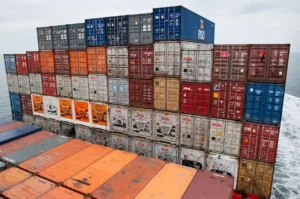
For LCL ocean shipments in particular, hazmat cargo is loaded and stacked with other freight for the duration of the voyage. Packaging that might hold up for a short domestic truck move may not be adequate for weeks at sea under those conditions.
The Consequences of Non-Compliance
A rejected shipment at an airline or port is a costly and disruptive outcome, but it is far from the worst one. If a carrier discovers undeclared or improperly declared dangerous goods after a shipment has been accepted, the consequences escalate considerably. Fines for hazmat violations can be substantial. Carriers may refuse future bookings from shippers with a history of non-compliance. In cases involving undeclared materials that cause an incident in transit, the legal and financial exposure is significant.
Getting hazmat right from the start is not just a regulatory obligation. It is a protection for the shipper, the carrier, and everyone in the supply chain who handles the cargo.
Jade International’s team can assist clients with hazardous material review across both air export and ocean export, including IATA classification, Shipper’s Declaration preparation, IMDG compliance, and proper labeling and documentation before cargo reaches any carrier. If your business ships dangerous goods internationally, reach out to our team to discuss how we can manage the compliance side of your shipments.