Few costs in international shipping catch importers off guard as consistently as demurrage and detention. They rarely appear in the original freight quote, they accumulate quickly, and by the time most shippers notice them, the charges have already compounded. Understanding how they work and what triggers them is the most practical way to keep them off your invoice.
The Difference Between Demurrage and Detention
The two terms are often used interchangeably but they refer to charges triggered at different points in the move.
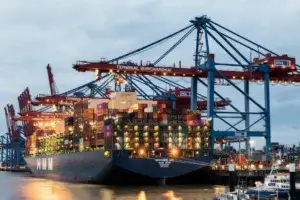
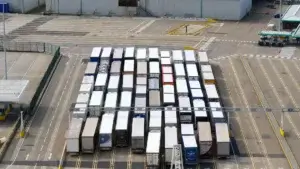
Demurrage is charged when a container remains inside the port terminal beyond the free time allowed by the carrier. Once the vessel is unloaded and the container is available for pickup, the clock starts. If the container sits at the terminal past the free time window without being collected, demurrage begins accruing. The terminal wants the container off its yard, and the fee is designed to incentivize fast pickup.
Detention is charged when a container has been picked up from the terminal but is not returned on time. Once the importer takes the container for devanning at their warehouse or distribution center, they have a set number of days to unload it and return the empty unit to the carrier’s depot. Exceeding that window triggers detention, sometimes called per diem, which accrues daily until the empty is returned.
Both charges are separate line items and both can appear on the same invoice for the same shipment.
Free Time and How It Works
Free time is the number of days a shipper has to pick up or return a container before charges begin. For imports, free time for demurrage is typically 3 to 7 days depending on the port and the carrier.
It is worth noting that free time has been tightening at many U.S. ports. Several major carriers updated their U.S. detention and demurrage tariffs effective January 1, 2026, including rate increases at Newark, Philadelphia, Miami, and Port Everglades. Importers who have not reviewed their carrier tariffs recently may be working with outdated assumptions about how many days they have.
How Demurrage and Detention are Calculated
Demurrage rates are determined by the port per container per day for a standard 20-foot unit, with 40-foot containers often higher. Rates frequently escalate in tiers, starting moderate and increasing significantly after the first few days. The Federal Maritime Commission, which actively monitors these charges across the nine largest ocean carriers, reported that carriers collected approximately $15.4 billion in demurrage and detention charges between April 2020 and March 2025. These are not marginal costs.
What Causes Demurrage and Detention
The most common triggers are largely preventable. Customs holds are one of the leading causes — when a shipment is flagged for examination, the container cannot leave the terminal until CBP releases it, and demurrage accrues throughout. Documentation errors that delay customs clearance create the same problem. Drayage trucks that are not pre-booked arrive after free time has expired. And importers who are not monitoring vessel arrival times miss the window entirely.
Some causes are outside the shipper’s control. Port congestion, chassis shortages, labor disputes, and weather events can all push containers past their free time through no fault of the importer. In those cases, carriers are required under FMC rules to provide documentation and to consider fee disputes in good faith, but recovering charges after the fact is difficult and not guaranteed.
How to Avoid Them
The most effective steps are straightforward. Arrange drayage before the vessel arrives rather than after customs clearance. Prepare all entry documents in advance so customs clearance can happen as quickly as possible once the cargo is available. Know the free time on your shipment and build your pickup schedule around it. And stay in close contact with your freight forwarder so you know immediately when a container is available for pickup or when a hold has been placed.
Jade International monitors free time on every shipment and coordinates drayage and customs clearance as part of our complete import services, keeping clients informed before charges become a problem rather than after. If you want a freight partner who manages this side of the move proactively, reach out to our team.